Specialized Denver janitorial and office cleaning services help ensure your facility sanitary, compliant, and presentation-ready using daily restroom and breakroom cleaning, disinfection targeting high-touch surfaces, trash removal, floor care, and supply restocking. You should plan regular cleaning based on foot traffic, with immediate spill response, regular detailed cleaning, and seasonal deep cleaning as needed. Choose a provider that documents touchpoints, follows EPA disinfectant protocols, trains screened staff, and offers clear quality controls—plus practical guidance on what to compare next.
Important Points
- Expert Denver janitorial services generally include scheduled restroom cleaning, trash removal, breakroom cleaning, and disinfection of high-touch office surfaces.
- Office cleaning plans need to align with foot traffic, with frequent vacuuming schedules, surface dusting, glass cleaning, and workstation sanitizing.
- Periodic services such as deep carpet cleaning, professional window cleaning, floor restoration, and monthly detailing preserve appearance and extend surface life.
- Superior germ reduction demands soil removal first, EPA-approved products, suitable contact intervals, and cross-protection tools.
- Hire a Denver cleaning provider featuring licensing, insurance, trained staff, written agreements, quality-control checklists, and assured warranties.
What Services Do Part of Denver Janitorial Programs?
Bringing in Denver janitorial services means you can anticipate a clear range of regular maintenance tasks that maintain your facility clean and safe with proper inspections. Your team typically sanitizes frequently contacted areas, disinfects restrooms, empties waste, replaces liners, and restocks consumables. They sweep, wipe, mop, and spot-treat floors to control debris and minimize slip hazards.
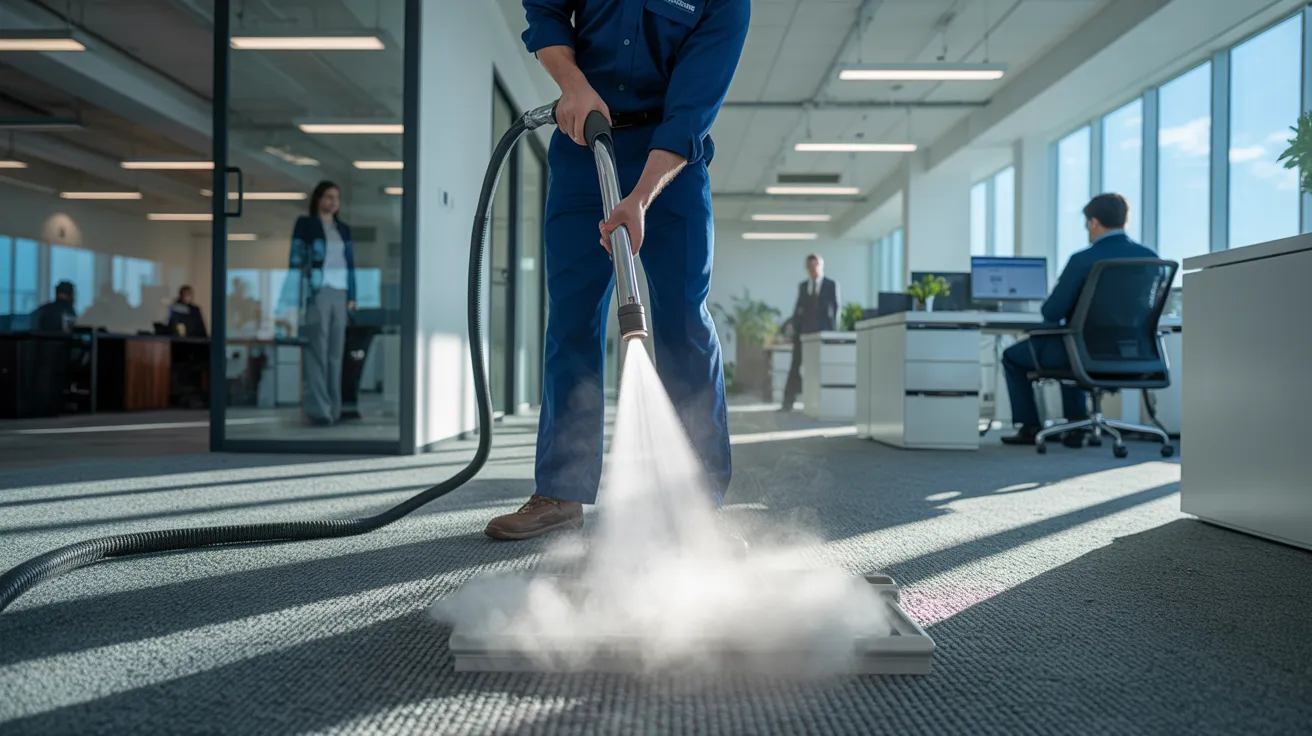
You also receive targeted periodic services that enable protecting your assets and regulatory standards. Teams perform carpet extraction to eliminate deep-set dirt, enhance visual quality, and prolong floor durability. They conduct window washing for unobstructed views and a professional presentation. In kitchens and breakrooms, they sanitize counters, sinks, and appliance exteriors to limit cross-contamination. You can also ask for touchpoint documentation, supply tracking, and site-specific checklists, so every task is finished uniformly and verified properly each visit.
How often should a Denver workplace be cleaned?
Denver workplaces need planned maintenance aligned with occupancy, traffic, and regulatory standards. Establish daily upkeep for entry zones, breakrooms, and restrooms, waste management, and high-touch surfaces. Running a healthcare, educational, or food service operation demands increased disinfection and recorded compliance tracking.
Plan floor cleaning, surface dusting, and window care, and workstation sanitizing multiple times per week or daily, based on staff levels and foot traffic. Check floors on a weekly basis and handle spills right away to reduce wear and safety issues. Plan routine monthly maintenance for vents, baseboards, upholstery, and low-traffic areas that accumulate dust. Add quarterly intensive cleaning to handle carpet extraction, hard-floor refinishing, glass cleaning, and weather-driven debris. Assess your cleaning calendar every three months, then adjust services, staff levels, and schedules using inspection data, complaints, and audit requirements.
How Do Denver Janitorial Services Protect Your Investment?
Denver's climate conditions, visitor volume, and health standards necessitate ongoing cleaning requirements, which is why janitorial services safeguard health standards, ensure regulatory adherence, and prevent workflow disruption. Your workplace requires routine floor upkeep systems, professional restroom servicing, systematic refuse management, and frequent surface maintenance to minimize accident potential, eliminate odor issues, and maintain professional standards for staff, visitors, and residents.
When you establish regular cleaning schedules, you develop standardized processes, maintain completion records, and assist with audits, tenant requirements, and company maintenance guidelines. Effective dust control improves air quality, while consistent upkeep of flooring, installations, and materials decreases rapid degradation and enhances structural durability. Quality cleaning services also reduces operational interruptions by preserving entryways, common spaces, and workstations set for daily activity. In short, janitorial services enable you to operate your building effectively, systematically, and accountably.
What Ways Do Janitorial Services Reduce Germs?
Target heavily used contact points, common zones, and damp locations first to limit bacterial spread where contamination happens most often. You lower exposure when you follow a standardized procedure: extract grime, apply EPA-registered disinfectants correctly, observe contact periods, and confirm effectiveness. Touchpoint mapping helps you pinpoint office furniture, entry hardware, control panels, water fixtures, breakrooms, and toilet facilities that need concentrated, frequent cleaning on a daily basis.
Lower secondary contamination by color-coding tools, swapping cloths often, and separating restroom equipment from general-use supplies. HEPA-filter cleaning captures microscopic debris before they spread again. In larger facilities, electrostatic treatment increases coverage on irregular surfaces without slowing operations. When you combine routine cleaning with strategic disinfection, hygiene promotion, and trash disposal, you establish a cleaner environment that aligns with health protocols and reduces exposure risk for employees every day.
What Factors Should You Evaluate in a Denver Cleaning Company?
When reviewing a Denver cleaning company, ensure you have proof of licensing, insurance, employee screening, and OSHA-compliant safety procedures. Check policy limits, workers' compensation, and incident reporting protocols. Verify the company operates with a licensed background check process for all employees and managers. Inspect training records for chemical handling, equipment use, and building access controls.
Going forward, evaluate operational consistency. Request written scopes, task frequencies, quality-control checklists, and escalation procedures. You will also need supply management, secure key handling, and documented communication channels. Identify clear metrics, available supervision, and service guarantees with remedy timelines. Look at references for reliability, compliance, and billing accuracy. In the end, ensure the company can meet your facility needs, safety protocols, and cleaning standards with no compromises or exposure. written scopes, task frequencies, quality-control checklists, and escalation procedures. You must also ensure resource management, key controls, and communication records. Target quantified benchmarks, active management, and guaranteed service with adjustment schedules. Investigate references for reliability, compliance, and billing accuracy. To conclude, read this article verify the company is prepared to support your facility's hours, security requirements, and cleaning specifications without gaps, shortcuts, or avoidable liability exposure
What's the Best Way to Pick Denver Office Cleaning Services?
Start by establishing your requirements, schedules, and access needs. Then obtain detailed cost breakdowns so you can evaluate pricing across staffing, materials, oversight, and specialized services. Check insurance, background screening, OSHA training, and documented quality-control processes before you shortlist candidates.
Next, perform formal supplier meetings focused on response times, problem-resolution procedures, contingency plans, and inspection reporting. Ask for site-specific plans, not standard packages. Review recommendations from comparable local businesses and verify key indicators in documented form. Lastly, examine contract terms for service-level requirements, modification procedures, and audit rights. If a vendor can't document compliance or ongoing service quality, eliminate them promptly and maintain your selection process rigorous and justified.
Most Common Office Cleaning FAQs Answered
Do emergency after-hours janitorial services operate in Denver?
Yes, emergency after-hours janitorial services are accessible in Denver. You should verify the provider offers rapid after hours response, trained crews, and documented emergency cleanup procedures. Ask whether they handle spills, biohazards, water damage, and urgent restroom issues. Check licensing, insurance, OSHA compliance, and reporting protocols. You'll preserve time by choosing a team that responds fast, maintains transparency, and restores your facility with least downtime overnight.
Can Denver janitorial companies supply eco-friendly products?
Yes, eco-friendly solutions are found from many Denver janitorial companies. First, confirm they utilize green certified supplies approved for commercial purposes. Next, check their products meet your facility's compliance and health requirements. Ask whether they deliver sustainable packaging to minimize waste and support sustainability targets. Then acquire documentation, operational protocols, and substitution alternatives so you can maintain consistency, assess compliance, and enhance efficiency.
Can cleaning services be tailored for medical or industrial facilities?
Absolutely—you can tailor janitorial solutions for healthcare and manufacturing facilities, like a telegraph delivering exact directions. You define scope, risk zones, schedules, and documentation needs. Providers align tasks with healthcare standards for exam rooms, labs, and patient areas, while applying industrial standards to factory areas, storage facilities, and equipment spaces. You also set personal protective equipment, sanitization techniques, waste handling, and audit checkpoints, so your facility stays productive, regulated, and audit-prepared daily.
What coverage and guarantees should Denver cleaning companies carry?
You should demand liability coverage, worker's comp, vehicle insurance for transport, and a janitorial or employee theft bond. Verify excess coverage for higher-loss exposure and verify state regulatory limits. Request for certificates of insurance, additional insured status when appropriate, and current policy dates. Examine exclusions for hazardous materials, flooring services, and third-party contractors. You'll minimize exposure, document adherence, and avoid oversights before you sign any cleaning contract with confidence.
What is the method for determining janitorial service pricing in Denver?
You'll typically see costs determined by your square footage, service schedule, scope, and any regulatory requirements, then adjusted by an hourly rate for demanding tasks. Think of it like a inventory list: one overlooked task delays everything. In Denver, many providers estimate roughly $0.08 to $0.25 per square foot, then include fees for floors, restrooms, supplies, or after-hours access. You should ask for detailed quotes, service levels, and agreement details.
Final Thoughts
Select your Denver cleaning service the way you'd oversee any compliance-critical process: verify scope, cleaning schedule, training, and paperwork. When you copyright cleaning consistency, you don't just improve appearance—you reduce risk. The CDC indicates that appropriate handwashing alone can cut respiratory illness by about 21%, displaying how consistent sanitation assists healthier work environments. Establish cleaning expectations, monitor results consistently, and adjust as needed. If you want reliable results, hire a cleaning company that follows trackable, standardized methods.
Comments on “Expert Commercial Cleaners”